Uterine Fibroid Treatment: Modern Approaches for Better Women’s Health and Comfort
Understanding Your Options for Uterine Fibroid Treatment and Long-Term Relief
Uterine fibroids are among the most common noncancerous growths that affect women during their reproductive years. While some women experience no symptoms at all, others may struggle with heavy bleeding, pelvic discomfort, frequent urination, and other health concerns that interfere with daily life. Fortunately, advancements in uterine fibroid treatment have made it possible to manage symptoms effectively and improve overall well-being.
At Seamless, we understand how important it is for women to have access to accurate information and personalized healthcare solutions. Learning about available uterine fibroid treatment options can help individuals make informed decisions and take proactive steps toward better reproductive health.
What Are Uterine Fibroids?
Uterine fibroids are muscular growths that develop within or around the uterus. They can vary significantly in size, shape, and number. Some fibroids remain small and unnoticed, while others can grow large enough to cause noticeable symptoms.
Although fibroids are not cancerous, they can impact quality of life and may require medical attention depending on their location and severity.
Common characteristics of uterine fibroids include:
- Growth inside the uterine wall.
- Development on the outer surface of the uterus.
- Presence as a single fibroid or multiple growths.
- Varying sizes ranging from very small to significantly large.
Understanding the nature of fibroids is the first step toward determining the most appropriate treatment approach.
Common Symptoms That May Indicate Fibroids
Symptoms can differ from one person to another. Some women experience mild discomfort, while others face symptoms that affect daily activities and overall health.
Common signs may include:
- Heavy menstrual bleeding.
- Extended menstrual periods.
- Pelvic pressure or pain.
- Frequent urination.
- Constipation.
- Lower back discomfort.
- Pain during certain physical activities.
- Reproductive health concerns.
Recognizing these symptoms early can help patients seek medical evaluation before complications develop.
Why Early Diagnosis Matters
Many women assume that abnormal menstrual symptoms are a normal part of life and delay seeking professional guidance. However, early diagnosis can provide valuable insight into the size, number, and location of fibroids.
Benefits of early diagnosis include:
- Better symptom management.
- More treatment choices.
- Reduced risk of complications.
- Improved reproductive health planning.
- Enhanced quality of life.
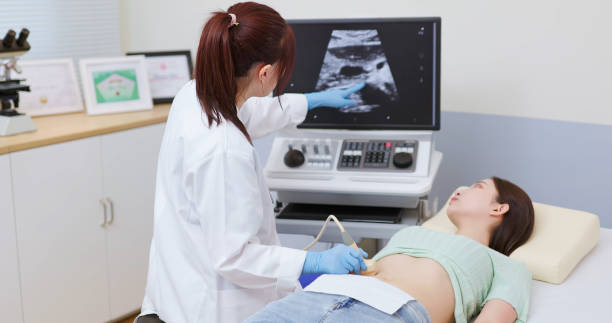
Healthcare providers typically use imaging technologies and physical examinations to confirm the presence of fibroids and evaluate treatment needs.
Factors That Influence Treatment Decisions
Every patient has unique healthcare needs. As a result, treatment recommendations are often based on several important factors.
These considerations may include:
- The size of the fibroids.
- The number of fibroids present.
- Symptom severity.
- Age and overall health.
- Future family planning goals.
- Fibroid location within the uterus.
A personalized treatment plan helps ensure that patients receive care aligned with their individual circumstances and health objectives.
Non-Surgical Management Approaches
Not every fibroid requires immediate intervention. In some cases, healthcare providers may recommend monitoring the condition while managing symptoms conservatively.
Common non-surgical approaches include:
- Regular medical observation.
- Symptom management strategies.
- Hormonal therapies when appropriate.
- Lifestyle modifications to support overall health.
These options may be suitable for women experiencing mild symptoms or fibroids that are not significantly affecting daily life.
Minimally Invasive Treatment Innovations
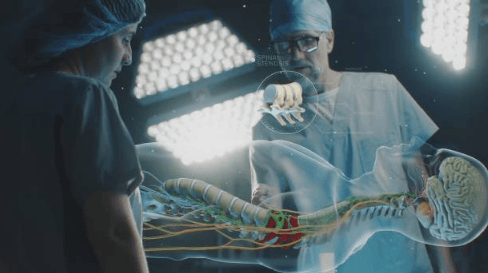
Medical advancements have transformed the way fibroids are treated. Minimally invasive procedures have become increasingly popular because they often allow for targeted treatment with reduced disruption to surrounding tissues.
Potential advantages include:
- Smaller incisions.
- Reduced recovery discomfort.
- Improved precision.
- Preservation of healthy uterine tissue.
- Faster return to normal activities.
These innovations continue to expand treatment possibilities for women seeking effective symptom relief.
The Importance of Personalized Care
No two fibroid cases are exactly alike. A treatment approach that works well for one patient may not be ideal for another. This is why personalized care remains a cornerstone of successful management.
Personalized care focuses on:
- Individual health history.
- Symptom patterns.
- Reproductive goals.
- Lifestyle considerations.
- Long-term wellness priorities.
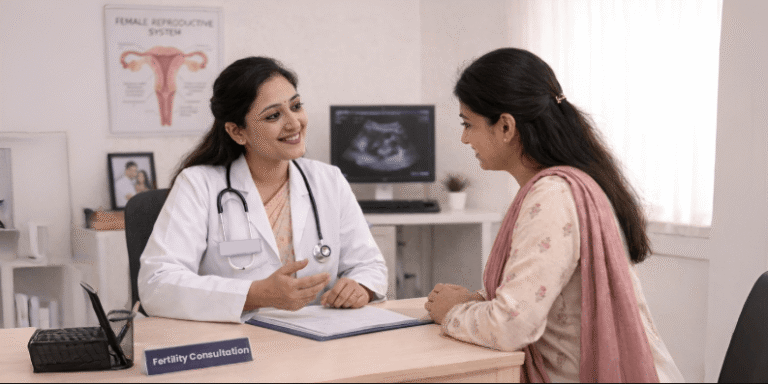
Open communication between patients and healthcare providers helps create a treatment plan that supports both immediate symptom relief and future health goals.
See also: The Raw Honey Revolution: Why London’s Health Conscious Shoppers Are Making the Switch
Lifestyle Habits That Support Reproductive Wellness
While lifestyle changes cannot eliminate fibroids, healthy habits may contribute to overall wellness and support medical treatment plans.
Helpful wellness practices include:
- Maintaining a balanced diet.
- Staying physically active.
- Managing stress effectively.
- Prioritizing quality sleep.
- Scheduling routine healthcare visits.
- Staying informed about reproductive health.
These habits can promote better overall health and encourage proactive management of gynecological concerns.
Emotional Well-Being and Fibroid Management
Living with fibroid symptoms can affect more than physical health. Many women experience frustration, anxiety, or emotional stress when dealing with ongoing symptoms.
Supporting emotional wellness may involve:
- Seeking professional medical guidance.
- Building a support network.
- Discussing concerns openly with healthcare providers.
- Staying educated about available treatment options.
- Focusing on overall self-care.
A comprehensive approach that addresses both physical and emotional health often leads to a more positive healthcare experience.
Looking Ahead: Advancements in Women’s Healthcare
Research and innovation continue to improve the future of fibroid care. Healthcare professionals now have access to more advanced diagnostic tools and treatment options than ever before.
These ongoing developments are helping women:
- Access earlier diagnosis.
- Explore less invasive procedures.
- Receive more personalized care.
- Achieve improved symptom management.
- Maintain a higher quality of life.
As awareness grows, more women are empowered to seek treatment and take control of their reproductive health journey.
Conclusion
Understanding the available options for uterine fibroid treatment can help women make informed decisions about their health and well-being. From early diagnosis and personalized care to modern minimally invasive approaches, today’s medical advancements provide more opportunities for effective symptom management and improved quality of life. At Seamless, we are committed to supporting women with reliable information and guidance as they navigate their healthcare choices. If you would like to learn more about your treatment options or discuss your concerns with experienced professionals, contact us today and take the next step toward better reproductive health.