
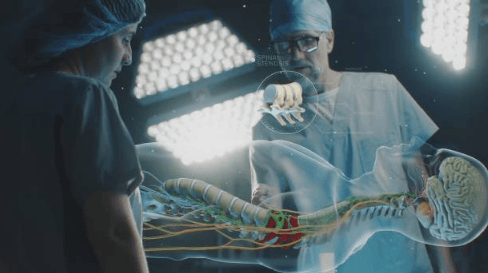
Exploring Relief Options with a Modern Spinal Cord Stimulation Trial
Chronic pain can feel overwhelming, especially when traditional treatments no longer provide meaningful relief. In recent years, a spinal cord stimulation trial has emerged as a promising option for individuals seeking a different path toward pain management. At Seamless, we understand how important it is to explore safe, innovative, and patient-focused solutions that can improve daily life.
A spinal cord stimulation trial is often recommended for people dealing with persistent nerve-related pain. This approach allows patients and doctors to evaluate how well the therapy works before committing to a long-term solution. By offering a temporary experience of pain relief, it empowers individuals to make informed decisions about their care journey.
Understanding the Basics of Spinal Cord Stimulation
Before diving deeper, it helps to understand what spinal cord stimulation involves and why it is gaining attention.
Spinal cord stimulation uses a small device that sends mild electrical signals to the spinal cord. These signals modify how pain messages travel to the brain. Instead of feeling intense discomfort, patients may experience a reduced or more manageable sensation.
Key Concepts to Know
- It targets nerve-related pain signals at the spinal level
- It uses electrical impulses instead of medication
- It is considered when other treatments have not worked
- It is customizable based on individual pain patterns
This therapy is not about masking pain entirely. Instead, it helps change how the body perceives pain, making it easier to function in everyday life.
Why a Trial Phase Matters
One of the most valuable aspects of this treatment is the trial period. A spinal cord stimulation trial allows patients to test the therapy before moving forward with a permanent implant.
This step is crucial because pain is highly personal. What works for one individual may not work the same for another. The trial phase ensures that the therapy aligns with the patient’s specific needs and expectations.
Benefits of the Trial Approach
- It provides real-world insight into pain relief
- It helps determine comfort with the device
- It reduces uncertainty before long-term commitment
- It allows adjustments for better outcomes
This personalized testing phase makes the treatment process more transparent and patient-centered.
Conditions That May Benefit from This Therapy
Spinal cord stimulation is often considered for specific types of chronic pain, especially those related to nerve damage or dysfunction.
Common Conditions Treated
- Chronic back and leg pain
- Neuropathic pain conditions
- Pain after spine surgery
- Complex regional pain syndrome
- Peripheral nerve injuries
Doctors typically recommend this option after exploring conservative treatments such as physical therapy or medications.
How the Procedure Works
The process begins with the trial phase, which involves placing temporary leads near the spinal cord. These leads are connected to an external device that delivers electrical signals.
Patients can control the intensity and pattern of stimulation using a handheld controller. This allows them to find the most comfortable setting for their needs.
Steps in the Trial Process
- Placement of temporary electrodes
- Connection to an external stimulator
- Adjustment of stimulation settings
- Monitoring pain relief and comfort
The trial phase helps determine whether the therapy significantly improves quality of life.
What Patients May Experience
During the trial, patients often report a noticeable change in how they perceive pain. Instead of sharp or burning sensations, they may feel a mild tingling or soothing effect.
Possible Experiences
- Reduced intensity of chronic pain
- Improved ability to perform daily activities
- Better sleep quality
- Increased mobility and comfort
It is important to remember that results can vary. The goal is to achieve meaningful improvement rather than complete elimination of pain.
Advantages Over Traditional Pain Management
Many individuals turn to spinal cord stimulation when other treatments fall short. This therapy offers several advantages that make it a compelling option.
Key Advantages
- Non-drug-based pain management
- Adjustable and customizable therapy
- Reversible and minimally invasive approach
- Focus on improving function and quality of life
Unlike some treatments that rely heavily on medication, this approach works directly with the nervous system.
Considerations Before Choosing This Option
While the therapy offers many benefits, it is not suitable for everyone. A thorough evaluation by a medical professional is essential.
Important Considerations
- Overall health and medical history
- Type and source of pain
- Previous treatment outcomes
- Willingness to participate in the trial process
Open communication with a healthcare provider ensures that expectations are realistic and aligned with potential outcomes.
See also: How to Improve Business Communication
Life After a Successful Trial
If the spinal cord stimulation trial proves effective, patients may choose to proceed with a permanent implant. This device is placed under the skin and continues to deliver controlled stimulation.
Long-Term Benefits
- Consistent pain relief
- Greater independence in daily life
- Reduced reliance on medications
- Improved emotional well-being
Many patients find that this therapy helps them regain a sense of control over their lives.
Emotional and Mental Impact of Pain Relief
Chronic pain does not only affect the body. It also impacts mental and emotional health. When pain is reduced, patients often experience positive changes beyond physical comfort.
Emotional Benefits
- Increased confidence in daily activities
- Reduced stress and frustration
- Better overall mood
- Enhanced social engagement
Addressing pain holistically can lead to a more balanced and fulfilling life.
The Future of Pain Management
Advancements in medical technology continue to improve the effectiveness of spinal cord stimulation. New innovations focus on making devices smaller, smarter, and more responsive to individual needs.
Emerging Trends
- Enhanced precision in stimulation patterns
- Improved device compatibility with active lifestyles
- Greater personalization through advanced programming
- Integration with modern healthcare monitoring systems
These developments are shaping a future where chronic pain can be managed more effectively and comfortably.
Is This Therapy Right for You
Deciding whether to pursue a spinal cord stimulation trial is a personal choice that depends on many factors. It is important to weigh the potential benefits against individual health needs and goals.
Questions to Ask Yourself
- Have other treatments failed to provide relief
- Am I open to trying innovative solutions
- Do I want a non-medication-based approach
- Am I willing to participate in a trial process
Discussing these questions with a healthcare provider can help guide the decision-making process.
Conclusion
Chronic pain can limit your ability to live life fully, but innovative solutions like a spinal cord stimulation trial offer new hope. By allowing patients to test the therapy before making a long-term commitment, this approach provides both flexibility and confidence in treatment decisions. At Seamless, we believe in empowering individuals with advanced options that prioritize comfort, safety, and improved quality of life.
If you are exploring ways to manage persistent pain and want to learn more about this therapy, do not hesitate to reach out. Contact us today to discover how modern pain management solutions can help you take the next step toward a more comfortable and active life.