
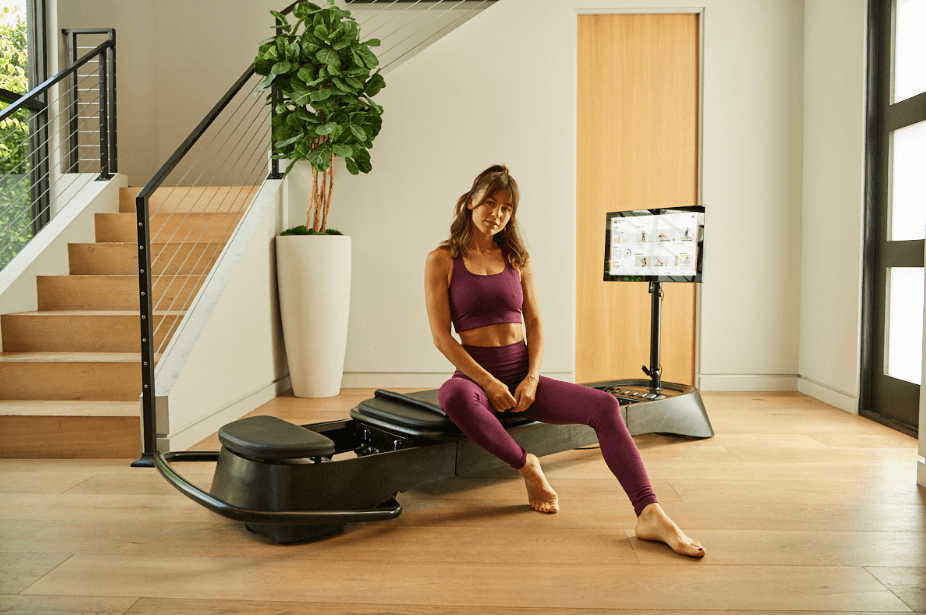
Everything You Need to Know Before Starting Reformer Pilates at Home
Introduction
Creating a personal fitness routine at home has become an increasingly popular choice for people who want flexibility, convenience, and complete control over their workout schedule. Among the many exercise methods available, reformer Pilates home has emerged as a highly effective way to improve strength, flexibility, posture, and overall body awareness without needing to travel to a fitness studio.
A home reformer setup allows you to experience the benefits of Pilates whenever it fits your lifestyle. However, starting a new fitness practice requires understanding the equipment, learning proper techniques, and creating a safe environment for exercise. Taking the right approach from the beginning helps build confidence and ensures you gain the maximum benefits from your workouts.
This guide covers everything you need to know before beginning your journey with reformer Pilates at home, including equipment selection, space requirements, essential techniques, and tips for developing a successful long term routine.
Understanding How a Pilates Reformer Works
Before starting your practice, it is important to understand the purpose of the reformer and how it supports movement. A Pilates reformer is a specialized piece of equipment that uses a sliding carriage, adjustable springs, straps, and a foot bar to create resistance during exercises.
The spring system allows movements to be made easier or more challenging depending on your fitness level and the specific exercise being performed. Unlike traditional strength training equipment that relies on heavy weights, the reformer focuses on controlled resistance, smooth movement, and precise muscle engagement.
The equipment can be used for a wide variety of exercises targeting different areas of the body, including the core, arms, legs, back, and shoulders. This versatility makes it suitable for beginners and experienced users alike.
Choosing the Right Reformer for Your Home
Selecting the right equipment is one of the most important steps when beginning a home Pilates journey. A quality reformer should provide comfort, stability, and enough flexibility to support your progress over time.
When choosing a reformer, consider the following features:
• Strong and stable frame construction
• Smooth carriage movement
• Adjustable spring resistance
• Comfortable padding and shoulder supports
• Durable straps and handles
• Suitable size for your available space
It is also important to consider your long term fitness goals. If you plan to progress to advanced exercises, choosing a machine with greater adjustability and accessory options can provide more workout possibilities in the future.
Preparing the Perfect Workout Space
Having enough room for your reformer is essential for a comfortable and safe exercise experience. The area should allow you to move freely around the equipment and perform exercises without restrictions.
Choose a location with a flat and stable surface. Good ventilation and adequate lighting can make your workouts more enjoyable and help create a dedicated wellness environment.
You do not need a large room to begin. Many modern reformers are designed with space saving features that make them suitable for smaller homes or apartments.
Creating an organized exercise area can also increase motivation because the equipment is always ready for use.
Learning Proper Technique Before Advancing
One of the biggest mistakes beginners make is attempting advanced movements before mastering the fundamentals. Pilates focuses heavily on precision, breathing, and controlled motion.
Start by learning basic exercises that teach:
• Proper spinal alignment
• Correct breathing patterns
• Core engagement
• Smooth and controlled movement
• Awareness of body positioning
Taking time to develop these foundations can improve your results and reduce the chance of developing poor movement habits.
Many beginners benefit from following structured beginner sessions that explain how to use the equipment safely and effectively.
Understanding the Importance of Core Engagement
The core is the foundation of nearly every Pilates exercise. However, core training involves much more than simply tightening the stomach muscles. It includes the deeper muscles around the abdomen, pelvis, and lower back that help stabilize the entire body.
During reformer exercises, maintaining proper core engagement improves balance, supports the spine, and allows movements to be performed with greater control.
As your strength improves, you may notice benefits such as better posture, improved coordination, and greater confidence during everyday movements.
See also: Uterine Fibroid Treatment: Modern Approaches for Better Women’s Health and Comfort
Starting With a Realistic Workout Schedule
One of the greatest advantages of having a reformer at home is the ability to exercise according to your own timetable. However, consistency is more important than completing very long sessions.
Beginners often achieve excellent results by starting with two to three sessions per week. As strength, flexibility, and confidence improve, the frequency and intensity of workouts can gradually increase.
A balanced routine may include:
• Strength focused exercises
• Flexibility and stretching sessions
• Core stability movements
• Balance and mobility training
Keeping your schedule realistic makes it easier to maintain your practice over the long term.
Safety Tips for Home Reformer Training
Safety should always be a priority when using any fitness equipment. Understanding how your reformer operates and checking its components regularly can prevent unnecessary issues.
Important safety practices include:
• Adjust springs according to the exercise requirements
• Move the carriage with control instead of relying on momentum
• Maintain proper body alignment throughout each movement
• Ensure straps and attachments are securely positioned
• Keep the equipment clean and well maintained
Listening to your body is equally important. If a movement causes discomfort beyond normal exercise effort, it is wise to adjust the position or reduce the difficulty.
Common Challenges for Beginners
Starting a new fitness method often comes with a learning curve. Many new users find that maintaining proper coordination between breathing, movement, and core engagement takes practice.
Some common beginner challenges include maintaining balance on the moving carriage, controlling spring resistance, and remembering proper alignment.
These difficulties are completely normal and usually improve with consistent practice. Focusing on quality movements rather than speed helps build confidence and proper technique.
The Mental and Physical Benefits of Home Pilates Practice
While many people begin Pilates to improve physical fitness, the benefits often extend beyond strength and flexibility.
Regular reformer practice can contribute to:
• Improved body awareness
• Better concentration during movement
• Increased confidence in physical abilities
• A more mindful approach to exercise
• A dedicated moment of self care within a busy day
The combination of controlled movement and focused breathing can make each session both energizing and calming.
Maintaining Your Reformer for Long Term Use
Proper care helps preserve the performance and lifespan of your equipment. A well maintained reformer provides smoother movement and a more comfortable workout experience.
Regular maintenance includes cleaning the carriage surface, checking springs and straps for signs of wear, and ensuring moving components operate correctly.
Following the manufacturer’s care recommendations can help keep the equipment in excellent condition for many years.
Building Long Term Success With Reformer Pilates
Achieving results with home Pilates depends on patience and consistency. Improvements in strength, flexibility, and posture usually develop gradually as the body adapts to the exercises.
Tracking your progress, setting realistic goals, and challenging yourself at an appropriate pace can help maintain motivation.
The convenience of having your own equipment makes it easier to build a routine that becomes a natural part of your lifestyle. Over time, regular practice can lead to meaningful improvements in the way your body moves and feels.
Conclusion
Starting reformer Pilates at home is an excellent way to bring a complete body workout into your daily routine. With the right equipment, proper technique, and a dedicated space, you can enjoy a training method that supports strength, flexibility, balance, and improved posture.
Taking the time to understand the reformer, beginning with foundational exercises, and maintaining a consistent schedule will help create a successful and enjoyable experience. Whether your goal is to increase fitness, improve mobility, or establish healthier movement habits, reformer Pilates at home provides a practical and rewarding path toward long term wellness.