
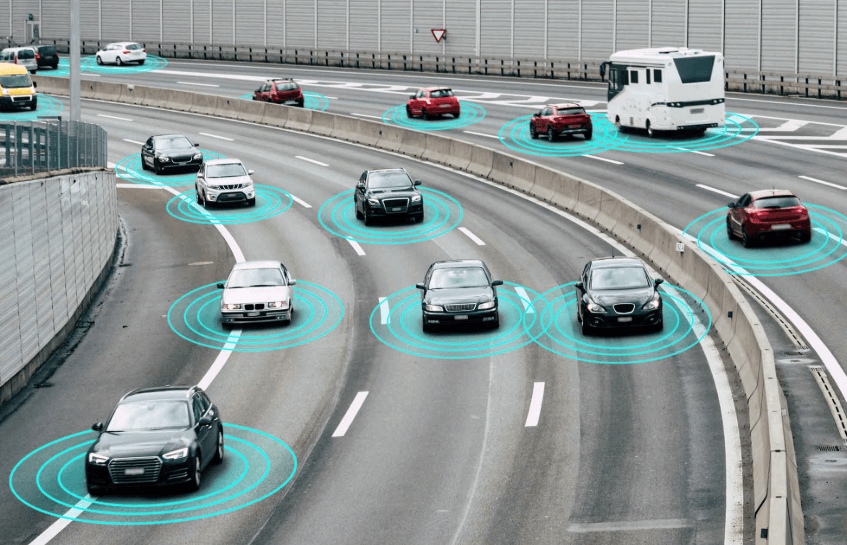
The Future of Autonomous Vehicles: Opportunities and Challenges
The future of autonomous vehicles presents a complex interplay of potential benefits and significant obstacles. Increased safety and reduced transportation costs are often touted as key advantages. However, challenges such as technical reliability and public skepticism persist. Effective policy and regulation will play a crucial role in addressing these issues. Understanding how these elements interact could determine the trajectory of self-driving technology in society. The implications are far-reaching, warranting further examination.
Advantages of Autonomous Vehicles
What advantages do autonomous vehicles offer to society?
These technologies promise significant safety improvements, potentially reducing traffic accidents caused by human error.
Moreover, the economic impact may manifest through decreased transportation costs, increased productivity, and job creation in new sectors.
As society embraces these innovations, individuals may experience enhanced mobility and freedom, redefining traditional transportation paradigms while fostering greater efficiency in urban environments.
See also: The Future of Artificial Intelligence: What to Expect in 2025
Challenges Facing the Adoption of Self-Driving Cars
Despite the numerous advantages offered by autonomous vehicles, several challenges hinder their widespread adoption.
Technical hurdles, including software reliability and sensor performance, pose significant obstacles to deployment.
Additionally, public perception remains a critical factor; many individuals express skepticism regarding safety and trustworthiness.
Overcoming these challenges is essential for fostering acceptance and ensuring that self-driving cars can fulfill their potential in transforming transportation.
The Role of Policy and Regulation in Shaping the Future
As the development of autonomous vehicles accelerates, the role of policy and regulation becomes increasingly critical in shaping their future.
Effective policy frameworks are necessary to ensure regulatory compliance, addressing safety, liability, and data privacy concerns.
Conclusion
As autonomous vehicles inch closer to reality, the road ahead resembles a winding path through a dense forest, where light and shadow coexist. While the promise of enhanced safety and mobility glimmers like sunlight filtering through leaves, the underbrush of skepticism and regulatory challenges looms thick. To navigate this terrain successfully, a tapestry of collaboration among stakeholders must be woven, ensuring that the journey toward a self-driving future is not only innovative but also safe and accepted by society.