
Water Mitigation vs Water Removal: Which Process Is Key for Effective Residential Water Restoration?
Dealing with water damage in your home can be overwhelming and stressful. Whether it’s due to a burst pipe, a heavy storm, or an appliance malfunction, the immediate priority is to address the issue effectively to prevent further damage. Homeowners often find themselves confused between water mitigation and water removal, two crucial processes in the journey of restoring a home. Understanding the difference and knowing which is most crucial for your situation is vital for effective Residential Water Restoration.
Water Mitigation Explained: Key Techniques and Processes
Water mitigation involves the process of preventing further water damage after an incident. The primary goal is to stabilize the situation and prevent additional damage from occurring. This includes actions like removing damaged furniture, extracting standing water, and applying drying techniques. A Childproofing Technician might be involved to ensure safety in homes with young children during the removal of hazardous materials. Additionally, using Eco-Friendly Building Materials during repairs can help maintain a sustainable environment within your home.
Furthermore, water mitigation often involves assessing the Indoor Air Quality to ensure that the environment remains healthy and safe. This might involve the use of dehumidifiers and air scrubbers to remove moisture and airborne contaminants, effectively reducing the risk of mold growth. These processes are vital in minimizing the initial impact of water damage and setting the stage for successful restoration.
Water Removal: Essential Steps for Effective Restoration
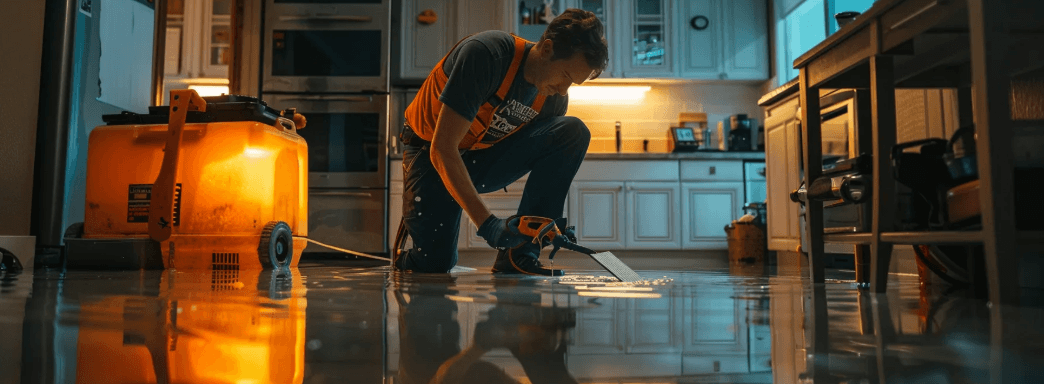
Water removal is the process of extracting water from your home as quickly and efficiently as possible. This stage is crucial for preventing long-term structural damage and the growth of mold and bacteria. The removal process typically involves pumping out standing water and drying out affected areas using specialized equipment. A Smart Home Integration Expert might recommend sensors that alert homeowners of leaks, providing an early warning system to minimize future damages.
Using modular furniture designed to withstand moisture can also be beneficial in water-prone areas of the home. This type of furniture is not only practical but also helps maintain the aesthetic integrity of a space after restoration. It’s important to note that while water removal is a significant step, it’s just one part of a comprehensive restoration strategy.
Comparing Water Mitigation and Water Removal in Residential Settings
When it comes to residential settings, both water mitigation and water removal are essential, but they serve different purposes in the restoration process. Water mitigation is about minimizing damage and preventing the situation from worsening, while water removal focuses on eliminating the immediate problem of excess water. An Indoor Air Quality Assessor might be called upon to ensure the air remains safe post-restoration, especially if mold growth was a concern.
The choice between the two depends on the specific circumstances of the water damage. For instance, if there’s a slow leak, mitigation might involve strategic drying and sealing of leaks, whereas a sudden flood would require immediate water removal efforts. Recent guidelines from the EPA stress the importance of addressing both aspects to ensure a thorough restoration.
Choosing the Right Approach for Your Water Damage Situation
Deciding between water mitigation and water removal should be based on a comprehensive assessment of the damage. Consulting with a professional who understands the nuances of both processes can make a significant difference. For instance, a Universal Design Consultant might provide insights on integrating resilient materials that withstand future water incidents, enhancing the home’s overall durability.
Additionally, adhering to Homeowner Association (HOA) Compliance is crucial when making repairs or renovations post-water damage. It ensures that all actions taken align with community standards and regulations. Choosing the right approach is not just about immediate recovery but also about planning for a sustainable and resilient home environment in the future.
Conclusion

Both water mitigation and water removal play critical roles in effective Residential Water Restoration. Understanding their distinct purposes helps homeowners make informed decisions about the restoration process. By choosing the right approach based on the specific situation, you can protect your home and ensure a safe, healthy living environment. This knowledge empowers homeowners to tackle water damage confidently and effectively.