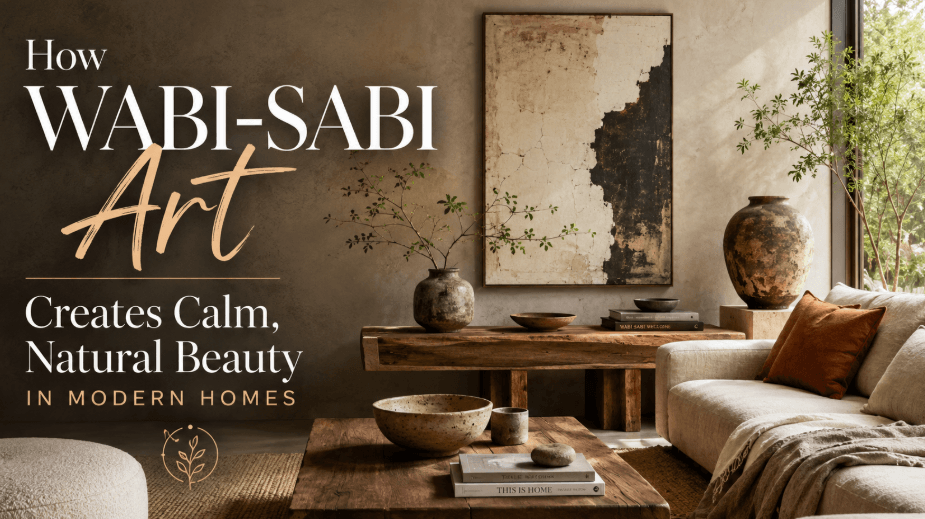
How Wabi-Sabi Art Creates Calm, Natural Beauty in Modern Homes
The Growing Appeal of Imperfect Beauty
Modern homes are often filled with polished finishes, straight lines, perfect surfaces, and carefully arranged decor. While this can look beautiful, it can also make a space feel too controlled or impersonal. Many people now want interiors that feel softer, warmer, and more connected to real life. This is one reason wabi-sabi art has become such a meaningful choice for modern homes.
Wabi-sabi is inspired by a Japanese way of seeing beauty in imperfection, simplicity, age, nature, and quiet details. It does not chase perfection. Instead, it celebrates the small irregularities that make something feel human. A rough texture, uneven surface, muted color, or handmade mark can become the most beautiful part of a piece.
In interior design, this approach feels refreshing. It allows a room to breathe. It removes the pressure for everything to look flawless. More importantly, it helps create spaces that feel peaceful, honest, and deeply personal.
Why Wabi-Sabi Feels Right for Today’s Homes
Many people spend their days surrounded by screens, noise, deadlines, and constant visual stimulation. Because of this, home has become more than a place to sleep. It is a place to recover. A calm home can help people feel grounded after a busy day.
Wabi-sabi art supports that feeling because it avoids loud colors and overly complicated designs. It often uses neutral tones, natural textures, organic shapes, and quiet compositions. These qualities help soften a room without making it look empty.
This style also fits the growing interest in mindful living. People are buying fewer things, choosing more meaningful pieces, and looking for decor that lasts beyond short trends. A wabi-sabi inspired artwork does not need to look new, shiny, or perfect. Its beauty often comes from its quiet presence.
That makes it especially useful for people who want their homes to feel calm rather than crowded.
The Role of Texture in Wabi-Sabi Art
Texture is one of the strongest features of wabi-sabi inspired artwork. A textured surface can make a simple piece feel rich and expressive. Instead of depending on bright colors, the artwork uses depth, shadows, and touchable details to create interest.
Raised plaster, uneven brushstrokes, layered canvas, rough edges, and natural materials can all help create this effect. These details remind us that beauty does not have to be smooth or machine-perfect.
Texture also changes with light. In the morning, a textured artwork may look soft and gentle. In the evening, shadows may reveal stronger depth. This quiet movement makes the piece feel alive.
In a room with plain walls, simple furniture, or neutral colors, textured wabi-sabi art can become the element that makes everything feel complete. It adds feeling without adding clutter.
Choosing Colors That Create Calm
Wabi-sabi interiors usually rely on colors that feel natural and grounded. These colors are not harsh or artificial. They are often inspired by stone, clay, sand, wood, linen, ash, and earth.
Common tones include:
- Warm white
- Soft beige
- Sand
- Stone gray
- Clay
- Taupe
- Charcoal
- Muted brown
- Pale olive
- Cream
These colors work well because they are easy on the eyes. They create a peaceful background and allow the texture of the artwork to stand out.
A warm white piece can make a room feel open and clean. A beige or sand-toned artwork can add softness. A charcoal or deep brown piece can create a more grounded mood. Muted greens and clay tones can bring a natural, organic feeling.
The best color depends on the room’s purpose. A bedroom may need softness, while a living room may need warmth. A reading corner may benefit from a deeper tone that feels quiet and comforting.
Using Wabi-Sabi Art in the Living Room
The living room is often where guests form their first impression of a home. It is also where families relax, talk, read, and spend time together. Wabi-sabi art can help make this space feel welcoming without making it feel overly decorated.
A large textured artwork above the sofa can create a calm focal point. It gives the wall importance but does not overpower the room. If the space uses neutral furniture, the artwork can add depth and character.
Natural materials pair especially well with this style. Wood coffee tables, linen cushions, wool rugs, ceramic vases, and woven baskets can all support the same quiet mood.
The room should not feel too perfect. A slightly uneven ceramic bowl, a handmade lamp, or a vintage side table can make the space feel more natural. Wabi-sabi design works best when the room looks lived in, not staged.
Creating a Peaceful Bedroom Atmosphere
Bedrooms are ideal places for wabi-sabi art because the style naturally supports rest. A bedroom should not feel visually busy. It should help the mind slow down.
A soft textured artwork above the bed can create a peaceful center for the room. Light neutrals such as cream, ivory, beige, or pale gray work beautifully in this setting. They reflect calmness and make the room feel open.
Bedding should feel natural and comfortable. Linen, cotton, wool, and soft woven fabrics pair well with wabi-sabi artwork. The colors do not need to match exactly. Slight differences in tone can make the room feel more relaxed.
Lighting is also important. Warm lamps, indirect light, and soft shadows can enhance the texture of the artwork. Harsh lighting may reduce the gentle feeling that this style is meant to create.
The goal is not to make the bedroom look empty. The goal is to make every object feel intentional.
Wabi-Sabi Art in Dining Spaces
Dining rooms and breakfast areas often benefit from artwork that feels warm and human. Since these spaces are used for conversation and connection, the decor should feel inviting.
A textured wabi-sabi piece can bring softness to a dining area, especially if the room has hard surfaces like wood, stone, glass, or metal. The artwork helps balance these materials and makes the space feel more comfortable.
Earthy tones work especially well near dining tables. Clay, sand, beige, and muted brown can create a natural atmosphere. These colors also pair nicely with ceramic dishes, wooden chairs, candles, and simple table settings.
If the dining area is small, one medium-sized artwork may be enough. If the wall is large, a wider piece or a coordinated set can create better balance.
Wabi-sabi art does not try to impress through luxury. It creates warmth through simplicity.
See also: Steel Glass Interior Doors Trends That Elevate Modern Living
Balancing Minimalism and Personality
Some minimalist interiors can feel cold when they are designed only around empty space and clean lines. Wabi-sabi offers a softer version of minimalism. It still values simplicity, but it also welcomes texture, age, irregularity, and emotion.
This is what makes it different from plain modern design. A wabi-sabi room can be simple without feeling strict. It can be neutral without feeling boring. It can be elegant without feeling polished to the point of being lifeless.
Artwork is one of the easiest ways to bring this balance into a room. A textured canvas or natural-toned piece can add personality without disrupting the calm mood.
This balance is useful in homes, studios, and even offices. Some people prefer quiet, earthy art in focused spaces, while others may add bolder references such as contemporary pop art inspiration in more energetic rooms. Both approaches can work when each artwork supports the purpose of its space.
The key is not to follow one style blindly. The key is to create a room that feels honest, comfortable, and visually balanced.
Why Handmade Details Matter
Handmade details are central to the wabi-sabi feeling. A machine-made object can look perfect, but it may lack warmth. A handmade object often carries small marks of the process. These marks make it more interesting.
In artwork, this might appear as uneven texture, visible brush movement, layered material, or an organic shape. These details help the viewer feel connected to the piece.
Handmade art also brings individuality into a home. Even if two pieces share a similar style, they are rarely identical. This uniqueness makes the room feel more personal.
People often underestimate how much handmade details affect the mood of a space. A room with only perfect surfaces may look impressive at first, but it can feel distant. A room with natural textures and handmade objects often feels easier to live in.
How to Style Wabi-Sabi Art Without Overdecorating
Wabi-sabi art looks best when it has room to breathe. Too many objects around it can weaken its quiet effect. The surrounding area should support the artwork rather than compete with it.
A simple console table below a textured artwork can work beautifully. Add one ceramic vase, a small lamp, or a stack of books. Avoid filling every empty space.
In a living room, allow the artwork to stand alone above the sofa or fireplace. In a bedroom, keep the wall around it clean. In a hallway, use soft lighting to highlight the surface.
Frames should also be chosen carefully. Some wabi-sabi pieces look best without a heavy frame. Others work well with natural wood, black, or simple neutral framing. The frame should feel like part of the artwork, not a distraction.
The most important rule is restraint. Let the texture, shape, and quiet color do the work.
Common Mistakes to Avoid
One common mistake is confusing wabi-sabi with neglect. This style values imperfection, but it does not mean a room should look careless. The space should still feel clean, thoughtful, and balanced.
Another mistake is using too many rustic elements at once. If everything is rough, aged, or irregular, the room can feel heavy. Balance is important. Pair textured artwork with smooth surfaces, soft fabrics, and simple shapes.
Some people also choose pieces that are too small for the wall. Wabi-sabi art often depends on presence and atmosphere, so scale matters. A tiny artwork on a large empty wall may not create the intended effect.
Color is another area to watch. Natural tones should feel calming, not dull. Use lighting, texture, and material contrast to keep the room visually interesting.
A Softer Way to Make a Home Feel Complete
Wabi-sabi art brings something valuable to modern interiors. It reminds us that beauty does not have to be loud, perfect, or overly designed. A quiet piece with natural texture can change the feeling of an entire room.
This style works because it connects with how people want to live now. They want homes that feel calm, personal, and meaningful. They want spaces that support rest, thought, and real daily life. Wabi-sabi inspired artwork helps create that kind of environment.
It gives walls depth, rooms warmth, and interiors a sense of honesty. Whether placed in a bedroom, living room, dining space, hallway, or office, it can make a room feel more grounded and complete.
In a world that often feels fast and polished, wabi-sabi art offers a slower kind of beauty. It invites people to notice texture, appreciate simplicity, and feel comfortable with imperfection. That is why it continues to matter in modern design.