How To Prevent Accidents on a Construction Site
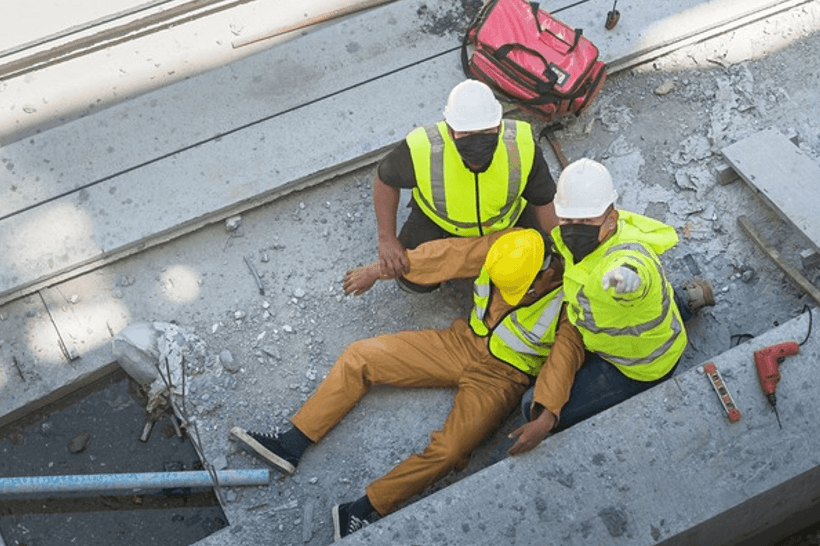
Houston is one of the largest and fastest-growing cities in the United States. It is known for its expanding infrastructure and ongoing construction projects across residential and commercial sectors. With numerous construction sites operating daily, ensuring worker safety remains a top priority due to heavy machinery, elevated work areas, and high-risk activities.
Preventing accidents on a construction site requires a combination of proper training, strict safety protocols, regular equipment maintenance, and clear communication among workers. By identifying potential hazards early and implementing preventive measures, construction companies can significantly reduce risks and create a safer working environment for everyone involved.
In situations where safety measures fail, consulting a Houston construction accident lawyer can help workers understand their rights and take appropriate action. However, focusing on prevention is always the most effective way to avoid injuries and maintain a secure job site.
To better understand how to minimize risks, here are the key ways to prevent accidents on construction sites:
Provide Proper Safety Training
Comprehensive training is essential for all workers before they begin work on a construction site. Employees should be trained on equipment handling, hazard recognition, and emergency procedures. Regular refresher sessions ensure that safety knowledge remains up to date and effective.
Use Personal Protective Equipment (PPE)
Wearing appropriate protective gear, such as helmets, gloves, safety boots, goggles, and harnesses, can significantly reduce the risk of injuries. Employers must ensure that PPE is available, properly fitted, and consistently used by all workers on-site.
Maintain Equipment Regularly
Faulty or poorly maintained equipment is a major cause of accidents. Regular inspections and timely repairs help prevent mechanical failures. Workers should also be trained to identify warning signs of malfunctioning machinery and report them immediately.
Implement Clear Communication
Effective communication plays a crucial role in maintaining safety. Workers should be able to clearly communicate instructions, warnings, and updates. Using signals, signage, and regular safety meetings helps avoid misunderstandings that could lead to accidents.
Keep the Worksite Organized
A clean and organized worksite reduces hazards such as slips, trips, and falls. Materials should be stored properly, pathways should remain clear, and waste should be removed regularly. Proper site management ensures a safer environment for everyone.
See also: How to Improve Business Communication
Follow Safety Regulations and Protocols
Adhering to established safety guidelines and regulations is essential. Employers must enforce rules related to working at heights, operating machinery, and handling hazardous materials. Regular safety audits help ensure compliance and identify potential risks.
Monitor Worker Fatigue
Long hours and physically demanding tasks can lead to fatigue, which increases the likelihood of mistakes. Ensuring proper breaks, manageable shifts, and adequate rest helps maintain focus and reduces the risk of accidents caused by exhaustion.
Conduct Regular Safety Inspections
Routine inspections help identify hazards before they become serious issues. Supervisors should regularly assess the site, address risks immediately, and ensure that all safety measures are being followed consistently.
Conclusion
Preventing accidents on a construction site requires consistent effort, proper planning, and strict adherence to safety practices. By focusing on training, communication, equipment maintenance, and worker well-being, construction companies can create a safer environment and significantly reduce the risk of injuries.
Key Takeaways
● Proper safety training helps workers identify risks and prevent accidents effectively.
● Using the right protective equipment significantly reduces the chances of serious injuries.
● Regular equipment maintenance prevents unexpected failures and workplace hazards.
● Clear communication and organized worksites minimize errors and safety risks.
● Following safety protocols and managing worker fatigue are essential for accident prevention.